
Everything Depends on the Data: Rachel Abbott on Bringing a TCR Therapy into the Clinic
Getting TCR therapy to first patients is rarely limited by the science alone. It depends on funding timing, manufacturing decisions that must be locked in early, and the discipline to stay lean while building clinical readiness. In this interview, Rachel reflects on what it takes to move a programme from an academic spinout toward the clinic, and what therapy developers need to keep in view long before regulatory submission.
Moving a TCR Programme Toward the First Trial
Pan Cancer T’s lead programme is aimed at triple negative breast cancer (TNBC), using a T cell receptor targeting ROPN1, a tumor-specific antigen found in over 90% of TNBC patients. Rachel describes a development path that requires building not only the receptor and product concept, but also the full infrastructure needed for clinical readiness.
The company is completing its CMC programme in collaboration with NecstGen and aims to submit its clinical trial application to regulators in May 2026, with plans to begin treating patients in early 2027. Rachel notes that the funding in place will enable treatment of the first 12 patients.
Getting to this stage has involved multiple parallel challenges, from identifying the right target, to engineering the product with additional co-stimulatory technology to enhance T cell fitness and persistence in the solid tumor microenvironment, and developing a robust manufacturing process. Abbott emphasises that progress has required thoughtful prioritisation and capital efficiency, particularly in a challenging funding climate faced broadly across the CGT sector.
“Like many early-stage developers in recent years, we had to sequence some activities carefully. It wasn’t a scientific limitation – it was about advancing in a disciplined, sustainable way.”
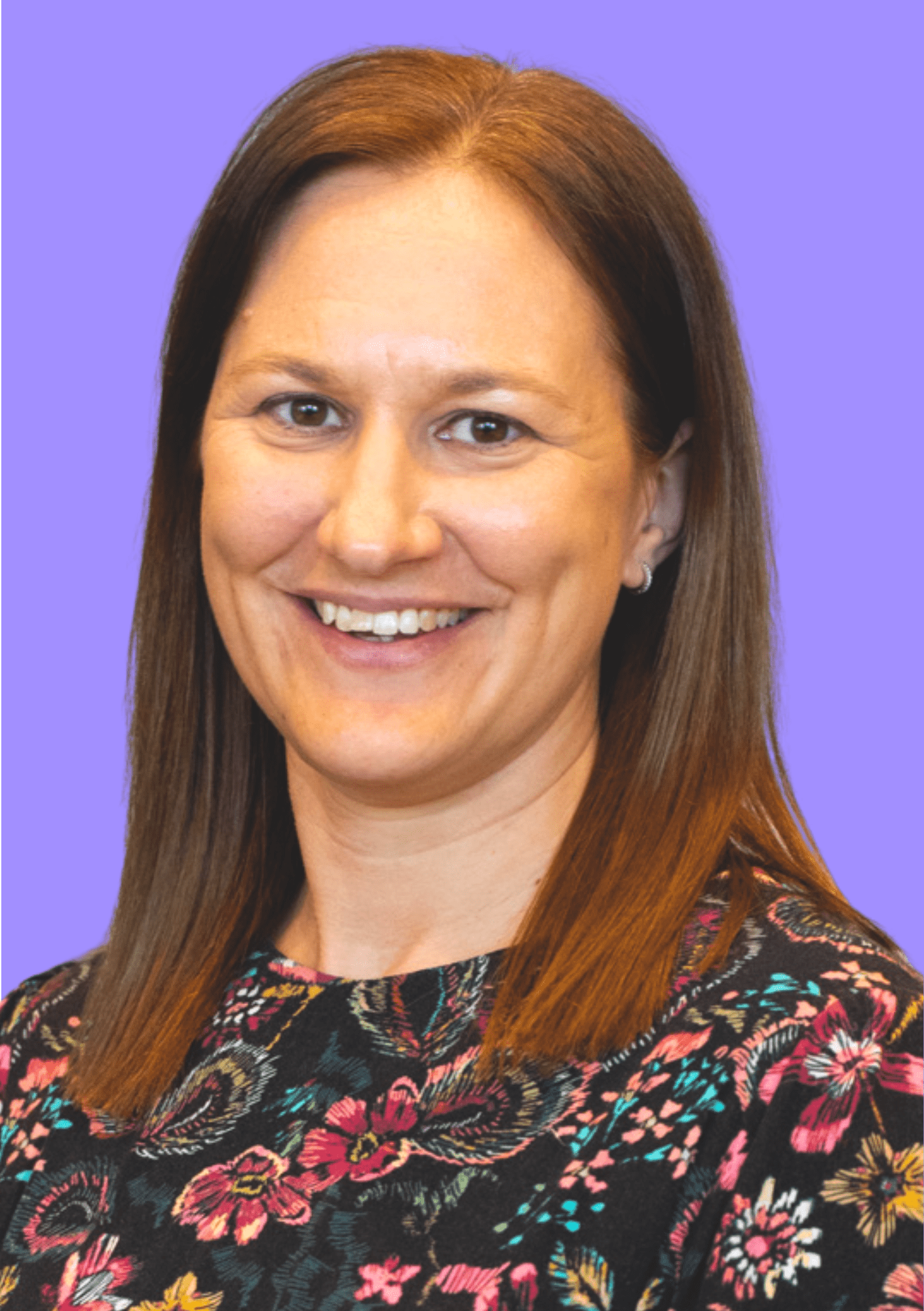
About Rachel Abbott
Rachel Abbott is the CEO of Pan Cancer T. Trained as a T cell biologist; she spent seven years as a postdoc studying T cell responses to Epstein-Barr virus before moving into biotech in 2014. She joined Adaptimmune as a lab scientist and moved into management as the company grew, developing TCR-based T cell therapies for more than a decade. She joined Pan Cancer T as CSO in January 2023, after two years as a Senior Director at Enara Bio, and became CEO shortly thereafter.
“The key thing is having good data, you need to get the investors on board, and they need to believe in what you’re doing.”
Financing as a Development Constraint
For therapy developers, Rachel’s account is a reminder that timelines are not determined only by scientific progress. They are also impacted by the broader economic environment.
Pan Cancer T adjusted the pace of certain CMC activities as it secured additional funds. This approach helped ensure resources were deployed responsibly and aligned with near-term development milestones.
Rachel explains that investors across the sector have become more cautious about continuing heavy early spending without certainty that a programme would reach the clinic.
She notes that earlier capital availability might have enabled faster movement, but the company deliberately chose to progress in a way that maintained financial stability.
Non-dilutive funding has also played a critical role. Pan Cancer T secured an innovation credit from the Dutch RVO, alongside continued investment from early backers, allowing the company to continue the programme.
About Pan Cancer T
Pan Cancer T is a Netherlands-based biotech developing TCR-based T cell therapies. The company spun out of Erasmus Medical Centre and is preparing for its first clinical trial in triple negative breast cancer with a lead programme targeting ROPN1.
The value of Pan Cancer T’s lead product lies in its combination of a highly prevalent tumor-specific target (ROPN1), an engineered costimulatory design to enhance solid tumor activity, and a manufacturing strategy built for longterm scalability.
Pan Cancer T
2020
Rotterdam and Leiden, The Netherlands
Autologous TCR-based T cell therapy targeting ROPN1 in triple negative breast cancer
Building a Real Company, Not Just a Virtual One
Over the past year, Pan Cancer T has shifted from a largely virtual structure to a company with its own laboratory space and growing internal staff.
Until early 2025, only two people were on the payroll, with much of the scientific work performed by Erasmus MC technicians supported by Pan Cancer T through funding arrangements. This hybrid structure allowed the company to maintain agility while generating the data needed for clinical progression. Several of those technicians have since transitioned onto the company’s payroll, and Pan Cancer T has moved into its own labs in Leiden.
Rachel describes this transition as a major operational step enabled by increased financial and organizational stability. Establishing a physical lab environment has strengthened internal capabilities and supported recruitment of skilled staff ready to work across multiple functions.
The company’s deliberate choice has been to remain small and lean, extending its runway rather than expanding too quickly. For developers building teams around early clinical programmes, Rachel highlights the importance of hiring people who can operate beyond narrow job descriptions.
“If you can find the right people who are willing to get stuck in and learn and do lots of different things, then you can keep your team smaller.”
Manufacturing Realities and Process Decisions
Rachel points to manufacturing as one of the continuing barriers in the CGT field, especially in solid tumors where early promise has not translated quickly into established therapies.
Pan Cancer T has focused on developing a manufacturing process intended to be cheaper and easier to run, including the possibility of operating in a Grade C cleanroom environment. This reflects a strategic decision to build a process with long-term scalability and economic viability in mind. Rachel connects this to a broader industry issue: approved products often rely on processes defined many years earlier.
“One of the problems with drug development is that you have to define your process so early on.”
For early-stage developers, this is a key tension. Process choices made before first-in-human studies can shape the feasibility of later commercial development, even if better technologies emerge later.
Rachel also notes that emerging in vivo delivery platforms may, over time, provide a route to translate validated targets and receptors into new delivery modalities, offering future flexibility beyond autologous manufacturing.
Learning Leadership Through the Work
Rachel’s move from CSO to CEO was not something she planned. It came after the board asked her to step up, and she accepted the role as an opportunity to lead the company through its next phase.
She describes the transition as steep, requiring constant learning and adaptation. Peer networks have been essential, including programmes for first-time CEOs and structured connections among portfolio company leaders.
She emphasises the importance of strong mentoring structures and a collaborative leadership community, key elements that support first-time CEOs in complex technical fields. This support has complemented her technical background and helped guide the organisation through a pivotal phase.
“There isn’t a school for CEOs. You generally have to learn on the job the first time.”
For scientists and therapy developers considering leadership roles, her experience suggests that support systems, mentorship, and CEO peer groups can be as important as technical expertise.
Why Rachel’s session matters
Rachel Abbott brings a perspective shaped by the realities of taking a TCR-based therapy into the clinic under today’s constraints. Her experience highlights what determines progress in early-stage CGT: the strength of the data, the discipline of staying lean, the early manufacturing decisions that cannot easily be reversed, and the financing environment that shapes every milestone. If you are building a therapy company now, her account shows how strategic focus, careful sequencing, and scientific rigor work together to drive a programme toward first patients.
“One of the problems with drug development is that you have to define your process so early on.”
