
Moving Cell Therapy from bench to patient rarely fails because of one big mistake. It stalls because of dozens of small, unspoken assumptions on what it takes to bring a process into a GMP environment. Working with that challenge every day, NecstGen sees where promising programmes slow down, not in theory, but in practice.
When Processes Move, the Small Things Break First
When therapy developers come to NecstGen, they already have a process in place. Sometimes it is still very close to how it was run in the R&D lab. Sometimes it is more established. In both cases, transferring a process to NecstGen starts with documentation review, writing procedures in NecstGen’s format, and training NecstGen operators on the specific process. The most challenging part is rarely the headline steps.
“The devil is always in the details. There are always these little things that are never captured in any document, but it’s just common knowledge by the people who work on the process.”
Melissa explains. The problem is not missing protocols, but missing habits: the small actions that operators perform without thinking often do not make it into written procedures. Once the process changes hands, those gaps become visible. Technology transfer therefore needs to be done with care and attention. If that tacit knowledge is not transferred, running the process at another facility will not lead to the same results. GMP manufacturing depends on the ability to execute a robust production process through a well-described and well-documented procedure.
GMP Readiness Is More Than People Expect
One of the biggest surprises for developers entering a GMP environment is the volume of documentation and process control needed to develop and execute a clinical production process. Melissa notes that many underestimate how much work compliance requires.
“What we often see is that people tend to underestimate the work that GMP and working in a cleanroom puts on you,” she says. This gap often shows up when developers feel their process is already GMP-ready. In reality, NecstGen frequently identifies missing data, fragile steps, or materials that are not suitable for clinical use. In the end, a process must consistently produce a safe product meeting pre-defined specifications, not just work once under ideal conditions.
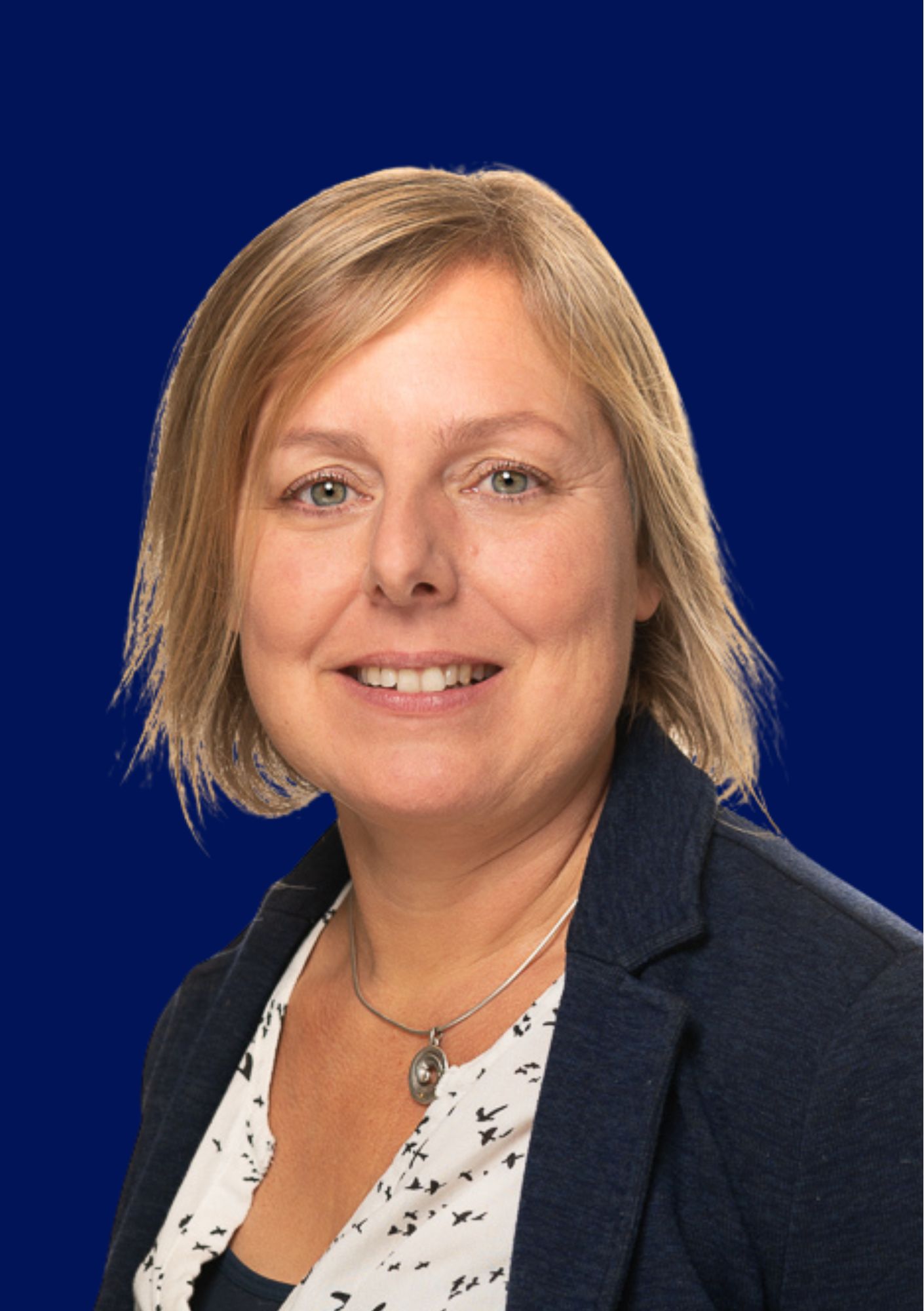
About Melissa van Pel
“In the end, you need a production process that is predictable, robust, and reproducible time after time.”
Knowing When to Stop Optimising
Many therapy developers struggle with a different problem: not when to start improving a process, but when to stop. Scientists are trained to keep refining yield, efficiency, and understanding, but that instinct can delay clinical translation.
Melissa puts it plainly: “As a therapy developer, you know that a process can always be improved. Therefore, it’s very tempting to keep on further developing your process and never say, okay, this is the process, this is where I stop and now I’m going to bring it to the clinic.” If you are developing a therapy, this decision needs to be made deliberately. When designing a process, you need to keep the end in mind and define what good enough looks like for that stage, including the right level of quality, consistency, and risk. “If you keep on refining the process, you keep on doing the research, which is an important and essential step in therapy development as it helps to understand the mechanisms of disease and mechanisms of action of the therapy, but it’s not leading to an actual therapy for patients,” she adds.
Building Teams That Can Bridge Development and GMP
Inside NecstGen, Melissa faced a parallel challenge when building her own team. Early on, it was not always easy to find people with both deep GMP experience and strong development skills. Some team members came with long GMP backgrounds but limited exposure to development work. Others were strong scientists without cleanroom or regulatory experience.
By training teams in-house, NecstGen has built an experienced group that can develop robust, consistent and GMP-compliant manufacturing processes, while also understanding the requirements and challenges involved in working in a cleanroom environment. “I do feel now we have a great team where we have both the SME knowledge on a very broad range of Cell Therapies and processes, as well as the GMP knowledge,” she says.
A Position Between Academia and Industry
NecstGen’s structure reinforces its bridging role. The organisation is fully owned by Leiden University Medical Center and operates on a mission-based, not-for-profit model for clients worldwide. It works with academia, SMEs and larger pharmaceutical companies, and sits naturally between those worlds.
“We are really kind of in the middle,” she says. “Given the people who work at NecstGen and their backgrounds and experience both in academia and industry, we can talk to both worlds.” That ability to translate expectations between R&D and regulated manufacturing shapes how projects move forward. In practice, NecstGen is inspected and functions as industry, but its proximity to academic thinking helps developers adjust earlier.
About NecstGen
NecstGen is a contract development and manufacturing organisation that supports Cell and Gene Therapy developers in translating their Cell and Gene Therapy production processes into GMP-compliant clinical manufacturing. The organisation works with academia, small to medium enterprises, and larger pharmaceutical companies, focusing on process development and clinical manufacturing to support bringing therapies to the clinic.
NecstGen
2020
Leiden, the Netherlands
Cell and Gene Therapy manufacturing partner
Why Melissa’s Session Matters
Melissa van Pel brings perspective shaped by experience. She sees the same types of challenges across many different cell types and organisations, not because developers are careless, but because these transitions are inherently difficult.
For anyone deciding when to lock a process, how to prepare for GMP, or how to build teams that can cross that boundary, her observations offer a grounded view of what translation into clinical manufacturing actually demands.
