
Moving a therapy from an academic lab to a patient is rarely a straight line. Many programs that show strong scientific promise stall when they encounter the realities of manufacturing, regulatory requirements, or development strategy. Vincent van der Wel has spent years working precisely at that transition point, building ventures around academic discoveries and guiding them through drug development. His perspective highlights where promising science most often runs into practical limits.
Bridging the Gap Between Academic Science and Drug Development
At the core of Orfenix’s model is the idea that many academic discoveries stall not because the science is weak, but because the pathway from laboratory insight to approved therapy is complex. Vincent describes the company’s role as guiding academic teams through the parts of development that lie outside basic research.
“We help PIs with an idea to bring a product to patients, but no clear idea of how to do all the steps outside of the scientific steps.”
Since its founding, the organization has built several ventures based on academic inventions. Each venture is structured around a principal investigator’s discovery and is intended to move the candidate therapy through the stages of development required for clinical use. In Vincent’s view, this approach preserves the scientific insight of the original research team while introducing the expertise needed to navigate regulatory and operational hurdles.
For academic researchers, the shift from discovery to development often introduces unfamiliar constraints. Experiments that demonstrate scientific insight may not satisfy the requirements of regulatory agencies or manufacturing standards. This disconnect can slow progress unless it is addressed early.
“We should find a balance of risk sharing between the academics who find the inventions and the companies working on it.”
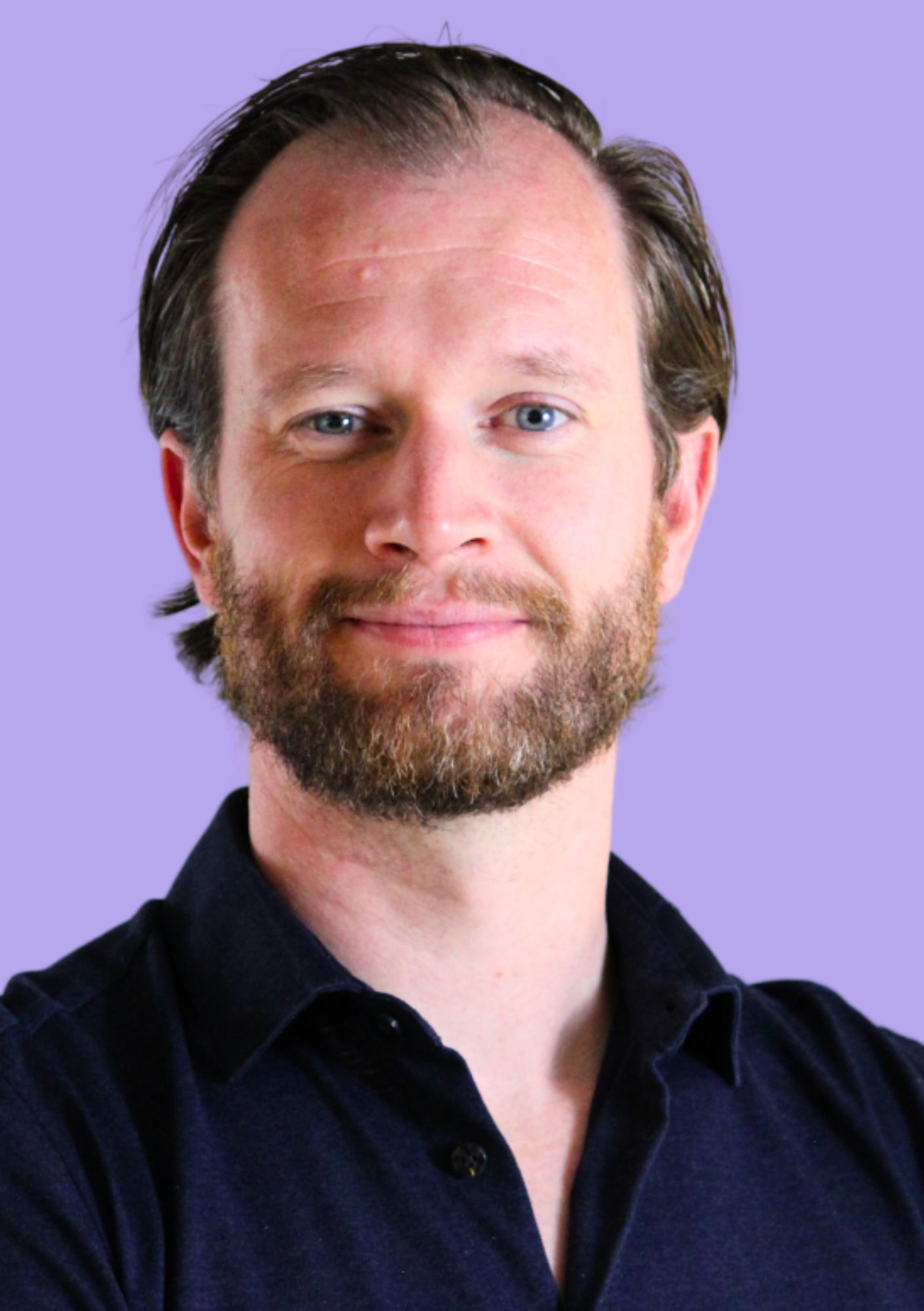
About Vincent van der Wel
Vincent van der Wel has a background in medicine and health economics. He founded Orfenix to work on the translation of academic inventions into therapeutic products. His work focuses on building companies around discoveries originating in academic laboratories and guiding them through regulatory, manufacturing, and clinical development.
If you are developing a therapy in academia or considering how to move a discovery toward patients, the early stages can appear deceptively straightforward. The science may work in the lab, and the clinical need may be obvious. What is less visible at first is the long chain of regulatory, manufacturing, and strategic decisions that determine whether a discovery can become a treatment. In this conversation, Vincent van der Wel reflects on the recurring challenges he sees when academic innovations move into drug development.
The Overlooked Role of Manufacturing and Quality
One recurring challenge Vincent observes across academic environments is the underestimation of chemistry, manufacturing and control (CMC) requirements. Early research often focuses on demonstrating biological activity or mechanistic understanding, while the consistency and traceability of the product receive less attention.
“I think that in academic setting, the chemistry manufacturing and control is heavily underestimated.”
This gap becomes critical when therapies transition from laboratory experiments to clinical testing. At that stage, regulators require a clear link between the product produced in development and the product administered to patients. Documentation, consistency, and validated processes all become central to approval.
Vincent argues that the difficulty lies not only in meeting these requirements but in maintaining continuity across development stages. Methods used in early research must eventually translate into manufacturing processes that comply with regulatory standards. If this continuity is missing, developers may discover late in the process that earlier work cannot support regulatory submissions.
Risk Sharing in Translational Research
Looking at the broader ecosystem, Vincent believes that the relationship between academia and industry could evolve toward more shared responsibility for development risk. In many cases, academic institutions license discoveries to companies and step back from further involvement.
He argues that this model may increase costs and slow progress if companies must assume all the financial and technical risk from the start.
“We should find a balance of risk sharing between the academics who find the inventions and the companies working on it.”
In his view, academic groups can play a larger role in de-risking projects before commercialization. Activities such as investigator-initiated trials or extended involvement from principal investigators can strengthen the evidence base before large investments are required.
This shared approach may ultimately improve the likelihood that therapies reach patients while maintaining affordability. For developers working at the boundary between academia and industry, the structure of these collaborations can be as important as the underlying science.
Orfenix was built to operationalise exactly this kind of shared responsibility, structuring ventures where academic groups, development partners, and investors each carry a fair portion of the risk, while keeping affordability and access at the centre of every decision.
About Orfenix
Orfenix operates as a venture builder focused on translating academic discoveries into therapies. Rather than licensing inventions and leaving development entirely to industry, the organization works directly with principal investigators (PIs) to create new ventures around academic ideas. These ventures move candidate therapies through the stages of drug development with the aim of reaching patients and ensuring global accessibility. .
Orfenix
2022
Leiden, The Netherlands
Translateing academic discoveries into accessible therapies
Scaling From the Lab to the Clinic
Beyond regulatory alignment, the technical challenge of scaling up production is another common obstacle. Laboratory processes that function reliably at small scale often encounter unexpected complications when adapted for clinical manufacturing.
“I would say scaling up is the biggest, most difficult thing that it’s in the process.”
Moving from research batches to clinical-grade production involves changes in equipment, quality standards, and documentation requirements. Even when the underlying science remains valid, these operational shifts can expose weaknesses in the original process design.
In some cases, Vincent has seen development programs revisit earlier work that was originally conducted in an academic setting. As therapies move toward clinical use, additional studies or process adjustments may be required to align with regulatory standards such as Good Laboratory Practice or Good Manufacturing Practice. This is not a reflection of the quality of the initial research, but a consequence of the different requirements between exploratory science and regulated development.
These setbacks illustrate a broader point. Decisions made in the earliest stages of research can shape the feasibility of later clinical development.
Aligning Academic and Commercial Incentives
Another challenge arises from the different motivations that drive academic researchers and commercial development teams. Both groups often share the goal of bringing therapies to patients, yet their incentives can diverge during the development process.
“I think it’s important to realize that the direct line to a patient is not always the direct line towards the best publication.”
Academic research often prioritizes novel scientific questions and publications, while drug development emphasizes the data required for regulatory approval. These priorities can occasionally conflict when designing clinical studies.
For example, researchers may want to explore additional scientific questions within a trial, even if those questions are not necessary for regulatory approval. Vincent notes that such decisions can introduce risk or complexity without advancing the path toward patient access.
Resolving these tensions requires transparency about goals and constraints. When both sides understand the motivations of the other, exploratory scientific questions can sometimes be incorporated in ways that do not disrupt the primary development pathway.
This is precisely where Orfenix’s model is designed to make a difference. Rather than forcing academic researchers into a purely commercial logic, Orfenix builds ventures that make social responsibility and investment-readiness mutually reinforcing, creating a structure where researchers do not have to choose between their values and a viable path to patients.
Why Vincent’s Moderation Matters
At Future of CGT, Vincent Van der Wel moderates the “Building for Success” session, a role that fits closely with his day-to-day work. Through Orfenix, he works directly with academic investigators who are trying to translate discoveries into therapies, often encountering the same operational and regulatory obstacles that many developers face. His experience spans the full development chain, from early academic research through clinical trials and regulatory requirements. That vantage point allows him to connect the scientific ambitions of researchers with the practical realities of bringing therapies to patients.
