
Digital choices that quietly shape CGT organisations: Kees Mensch on digital capabilities in CGT companies
Early CGT teams move fast. You start experiments, build workflows, and patch together systems that keep things running. What you may not realise is that those first digital and data choices can stay with you for years. Kees Mensch has seen how decisions made in the first few months later cost serious time and money.
As co-founder of the Digital Capability Company (DCC) and Head of IT at NecstGen, Kees helped build digital systems from an empty room to GMP operations. His message is simple: you cannot treat your digital toolbox as something you “fix later.” It becomes part of how your product is made.
Earlier Conveniences Later Become a Challenge
Kees is direct about what goes wrong most often. Teams start with paper forms and Excel because they are quick solutions. But if you want to use forms in GMP operations, you also take on long-term obligations.
“You need to index them, store them, and keep them for decades.”
Excel creates silent data integrity risks. If multiple people work in a file, you can overwrite changes and create conflicting versions without noticing. By the time you try to replace these tools, the workflow is already embedded and switching becomes expensive. Shortcuts save time early, then cost months later.
Kees also sees teams struggle to describe what they truly need from digital resources. People often describe what they think the software can do, not what the workflow requires.
“That limits how freely they think about their real needs.”
His advice is to start in plain language. Describe what you are trying to achieve and what blocks you in daily work. Only then translate that into requirements. His analogy: do not start with wheel specifications. Start with the car you want to drive. This is why he values digital partners who can translate between lab reality and available platforms, not just technical people who fix issues.
“There are a few things that, if you do them early, will save you enormous costs later.”
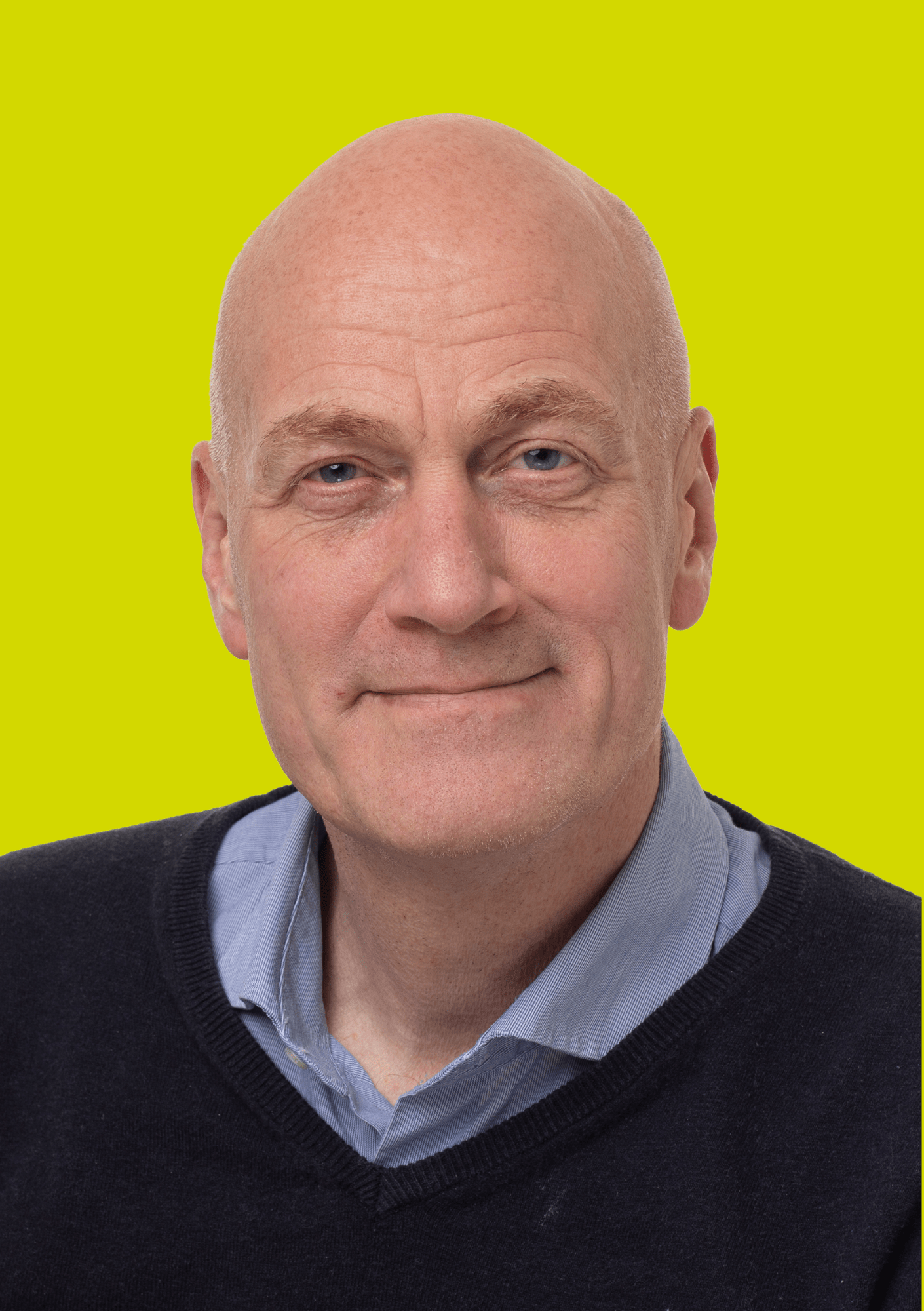
About Kees Mensch
Kees Mensch studied physics and business administration and has spent his career working at the interface of technology, operations, and organizational design. He describes himself as someone who understands how to translate business strategy into workable digital systems.
As he explains, modern digital capabilities in life sciences are less about writing custom code and more about configuring and connecting large, widely used platforms. “We work with products that have tens of millions of users, so the technology is already proven,” he says. “Our expertise is knowing whether those are the right choices, and how to set them up properly.”
That positioning shapes how he approaches digitalization in CGT environments.
Start-ups Change Faster than Planning can Follow
Kees remembers the early days at NecstGen vividly: sitting in an empty space, trying to imagine future workflows. “It’s unique,” he says. “If you get the chance, you should do it.” He learned that most problems are solvable once you start, but planning becomes fragile in fast-growing startups. Each new hire changes the organisation. Planning helps you see dependencies, but “you should not believe it will become the truth.” Your systems need to adapt as the company reinvents itself.
Kees argues that early teams need more experience around the table than they think.
“Try to bring a few hundred years of experience together.”
Even a few hours a week from someone who has built regulated systems before can prevent major detours. It does not slow you down. It keeps you from moving fast in the wrong direction.
About DCC
The Digital Capability Company (DCC) supports life sciences organisations in designing and implementing digital systems that are safe, scalable, and fit for regulated environments. In parallel, Kees Mensch serves as Head of IT at NecstGen, where he helped build the digital infrastructure from the very first days, starting in an empty facility and scaling alongside the organisation.
Digital Capability Company (DCC)
2018
Kampen, the Netherlands
Digital infrastructure for GMP and therapy manufacturing
What he Would do Differently
Looking back, Kees would have managed regulation differently. When you implement regulations too early, you create a heavy administrative load before processes are stable. He now prefers a staged approach: Start with a usable version one system, let users learn and fix early issues, then formalise with documentation and controls once the workflow works in practice
In Kees’ experience, life sciences teams are often less digitally fluent than teams in sectors where digital tools are core to daily work. “People in life sciences are incredibly smart,” he says, “but compared to banking, their IT skills are often much lower.” That gap matters because digital systems only work when your team uses them consistently. If people default to Excel or resist structured systems, you get recurring friction and avoidable errors.
Why Kees’ Session Matters
Digital systems shape how you capture data, manage deviations, and keep operations running. They influence speed, cost, and ultimately your ability to scale. Kees brings the perspective of someone who built these foundations from scratch and has seen how early choices become structural constraints. If you want to scale without drowning in rework, his advice is practical: avoid shortcuts that will break later, get clear on what you need, bring experience into the room, and build systems that can grow with you. Digital capability is not a technical layer, it is part of building a therapy that can reach patients.
