Financing, Resilience, and Optionality: Hans Schikan on Building Biotech Companies
Biotech innovation is often framed around scientific breakthroughs, but building a company in the field is rarely a straight line. Funding cycles, investor expectations, and strategic decisions shape whether promising science ever reaches patients. After decades working across biotech companies as a CEO, board member, and investor, Hans Schikan has seen how those realities play out in practice. His keynote focuses less on theory and more on the decisions that determine whether a company survives long enough to make an impact.
The Persistent Challenge of Financing Biotech
For companies moving from preclinical research into early clinical development, funding remains the most immediate barrier. Schikan has seen this firsthand across many organizations.
“One of the biggest challenges at this moment is getting sufficient financing in order to create the impact we all want to make.”
The issue is not only the availability of capital but also the time required to secure it. Early-stage biotech leadership often spends a large share of their effort raising funds rather than developing the underlying science. Schikan noted that when he served as a CEO, fundraising dominated the role. Building the company’s scientific and clinical programs required constant attention to capital availability.
The surrounding investment environment therefore matters as much as the company itself. When policymakers, investors, and institutions align around biotech as a strategic sector, financing tends to become more accessible. In Hans’ view, this environment in the Netherlands has improved in recent years as policymakers increasingly recognize biotechnology as a driver of both health outcomes and economic growth.
Optionality as a Strategic Principle
Across decades of leadership decisions, Hans identifies one concept that consistently shapes successful strategy: optionality. Biotech development rarely follows a straight path, and companies must plan for uncertainty.
“Create optionality because then you have choices in an environment that is very unpredictable.”
Optionality can appear in several forms. A company might maintain multiple development paths for a therapy, pursue different financing strategies, or prepare alternative partnership structures. Each option provides flexibility if clinical data, funding conditions, or regulatory expectations change.
The principle reflects the broader nature of biotech development. Scientific discovery moves forward through trial and error, and setbacks are common. Companies that prepare for those uncertainties can adapt more easily than those built around a single rigid plan.
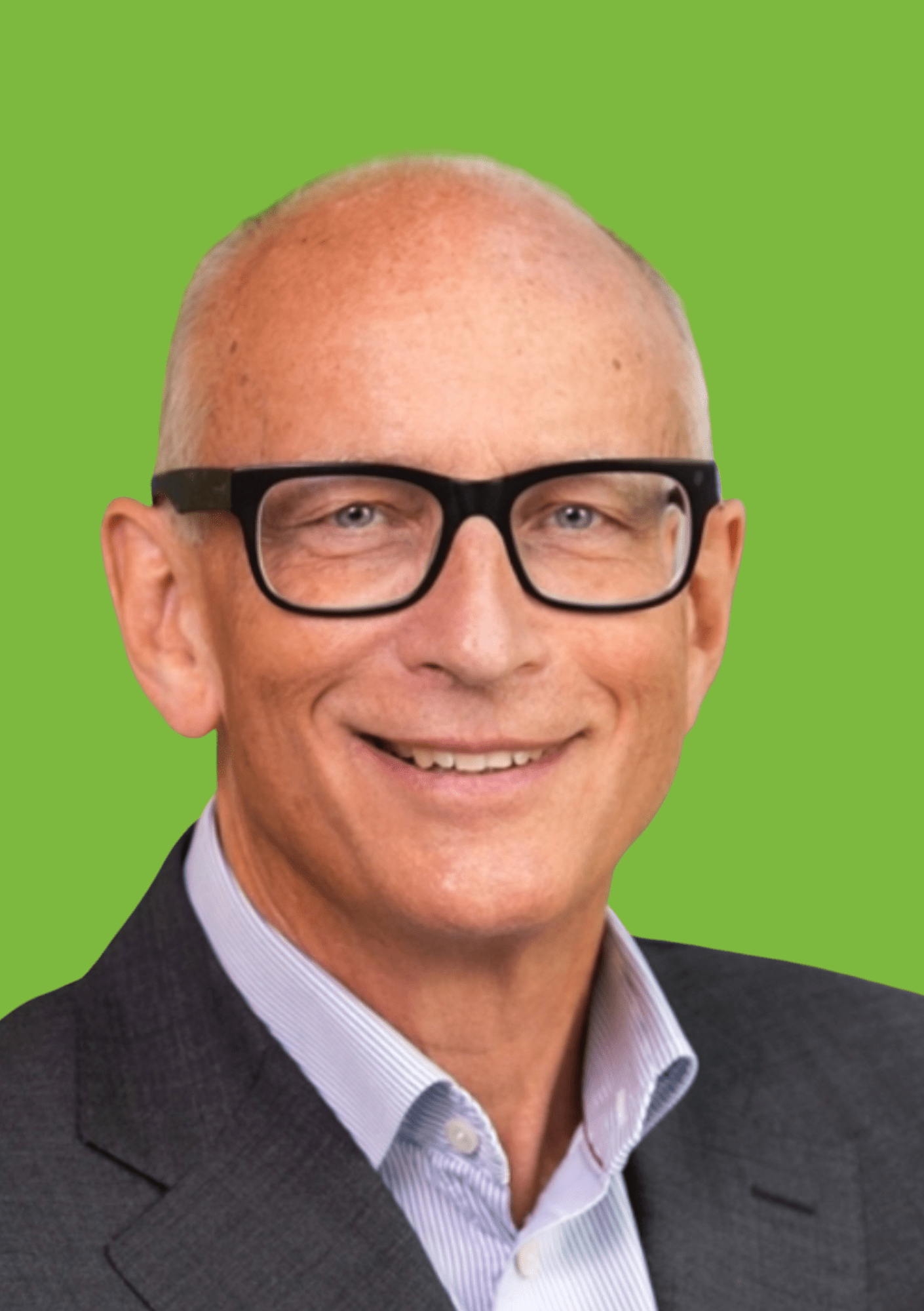
About Hans Schikan
Hans Schikan is a long-time figure in the European biopharma sector. Over the course of his career, he has served as CEO, board member, chairman, and co-founder across multiple biotechnology companies. His experience spans early preclinical startups, clinical-stage companies, and commercial organizations. Earlier in his career he worked at Organon and Genzyme and later served as CEO of Prosensa, where he led the company through a Nasdaq IPO. Today he remains active as a board member and investor across biotech ventures.
Biotech is often described in terms of scientific breakthroughs. Yet from the perspective of someone who has built companies across multiple decades, the reality looks more operational. Funding cycles, ecosystem collaboration, investor expectations, and strategic decision-making shape whether new therapies ever reach patients. Hans’ experience offers a practical view of how those elements interact and what younger developers should expect when building companies in the field.
A Maturing Dutch Biotech Ecosystem
Over the past two decades, the Dutch biotech ecosystem has evolved through stronger collaboration between institutions that once operated more independently. Universities, startups, government agencies, and patient organizations now interact more closely than before.
“The collaboration between all relevant stakeholders in the ecosystem is now much tighter, and that is excellent for fostering innovation.”
Academic research continues to generate many of the field’s early discoveries, but the translation of those discoveries into therapies depends on connections beyond academia. Government support, private investment, and partnerships between public and private organizations help move technologies forward.
Despite this progress, structural realities still shape how Dutch companies grow. The domestic market is small compared with the United States. Companies cannot rely solely on local commercialization and often must build international operations earlier in their development. This requirement adds complexity but also pushes companies to think globally from the beginning.
At the same time, Hans believes the core ingredients of a strong ecosystem are already present. Strong academic institutions, active entrepreneurship, and public-private partnerships form the basis for long-term growth if they are supported by consistent policy and investment.
What Investors Look for in Biotech Companies
The biotech investment landscape has expanded since the early 2000s. For Hans, one clear change is the scale of financing rounds.
“We raised ninety million dollars in our IPO in 2013, which we thought was a lot of money. Nowadays I see biotech IPOs raising a few hundred million.”
Larger financing rounds can increase a company’s chance of success because they allow longer development timelines and greater operational flexibility. At the same time, the number of opportunities for investors has grown dramatically. Venture capital firms now review thousands of companies each year while investing in only a small fraction of them.
Despite the growth in capital and opportunities, the basic criteria for investment have remained remarkably stable. Scientific credibility remains central.
“Strong science, a good team, and a viable market opportunity with an unmet medical need are still the ingredients investors look for.”
For founders and developers, this continuity provides clarity. Even as new therapeutic modalities emerge and investment volumes change, the core elements of a credible biotech program remain the same.
Why Hans’ Session Matters
Hans’ perspective comes from long experience across biotech leadership roles, from early research companies to publicly traded organizations. His view of the sector emphasizes operational realities rather than abstract promise.
For scientists and developers entering the field, the lessons extend beyond laboratory work. Financing strategies, ecosystem collaboration, investor expectations, and strategic flexibility all shape whether scientific discoveries translate into therapies. Understanding those dynamics is essential for anyone building companies in biotechnology or cell and gene therapy today.