
Insights
Can’t wait until 24 April 2026 to get your share of insights from our expert speakers? Check out the interviews we did with these industry veterans to get your started on your questions tot hem during the many discussion moments at the Future of CGT.

Data Is Not Enough: Sander Van Deventer on Safety, Politics, and the Real Work of Bringing Gene Therapy to Patients
Sander van Deventer reflects on the realities of bringing gene therapies from the lab to patients. Drawing on experience from antibody discovery to the approval struggles of Glybera and current ALS programs at VectorY, he discusses safety margins, manufacturing economics, and the political dynamics that shape whether therapies reach the clinic.
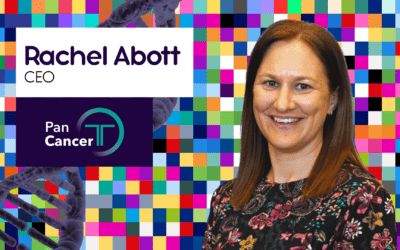
Everything Depends on the Data: Rachel Abbott on Bringing a TCR Therapy into the Clinic
Rachel Abbott, CEO of Pan Cancer T, shares what it takes to bring a TCR-based T cell therapy from academic discovery to first-in-human trials. From funding constraints to manufacturing strategy and lean team building, she reflects on the practical decisions shaping early clinical development in cell and gene therapy.
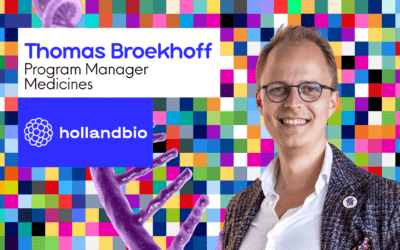
Everything Depends on the Questions You Ask: Thomas Broekhoff on Cell and Gene Therapy Policy
Thomas Broekhoff on shaping cell and gene therapy policy through better questions and clearer strategy.
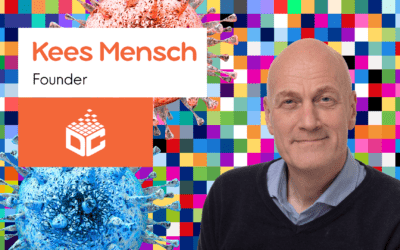
Digital Choices that Quietly Shape CGT Organisations: Kees Mensch on Digital Capabilities in CGT Companies
Kees Mensch explains why early digital decisions in cell and gene therapy companies can create long-term GMP, data integrity, and scalability challenges.

What Comes After It Works: Frank Staal on Making Gene Therapy Reach Patients
Many CGT programmes show strong preclinical biology, but still face major challenges when moving from the lab to the clinic. According to Frank Staal, these translational development challenges often stem from early decisions that underestimate patient variability, rely on models optimised for proof-of-concept rather than long-term clinical function, and postpone regulatory or manufacturing considerations until they become difficult and expensive to change. Drawing on experience across the full CGT translational pathway, he shows how early alignment on models, immune monitoring and post-trial strategy can reduce clinical uncertainty and help gene therapy programmes generate evidence that supports real patient benefit beyond the first trial.
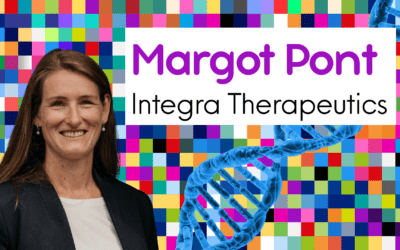
What Early Developers Often Miss in Preclinical Work: Margot Pont’s Experience in CGT
Many CGT programmes look strong in preclinical work, yet still stumble once the first patients are dosed. Margot points to recurring causes: models that miss clinical variability, donor material that behaves unlike patient samples, and key development decisions postponed until they become hard to reverse. Her perspective helps teams design studies that better support benefit-risk early on.
The Funding Problem Is Not Occasional; It Is Structural: Tol Trimborn’s View On CGT Companies As An Investor
Tol Trimborn describes CAR T development through a company-builder’s lens. His focus is not only the science, but the conditions that determine whether a programme survives: investor fit, clinical proof of concept, and deal structures that protect execution after an acquisition.
Turning Data Into a Business: What Dirk van Asseldonk Wants CGT Teams To Understand Before They Scale
Dirk stresses that CGT teams fail when they ignore structure, CMC, and real trial justification. Early choices set the path. Bring in expertise, design for patients, and avoid shortcuts that force rebuilds. Success comes from alignment, not speed alone. Choose cautiously to avoid costly delays ahead.